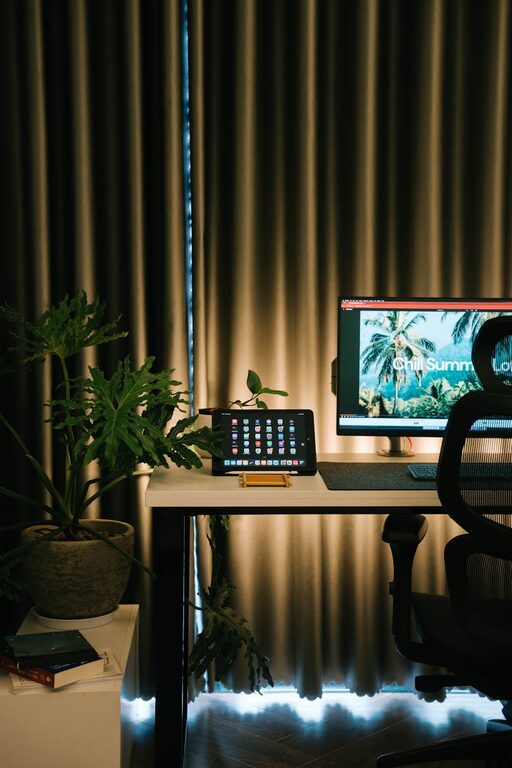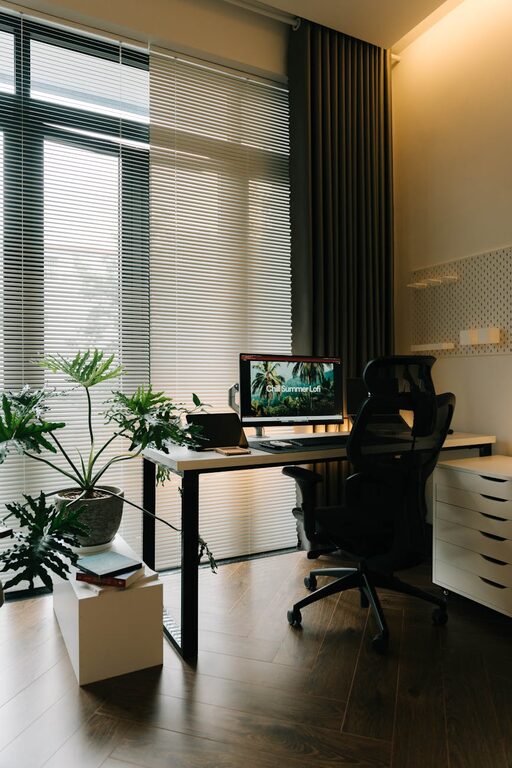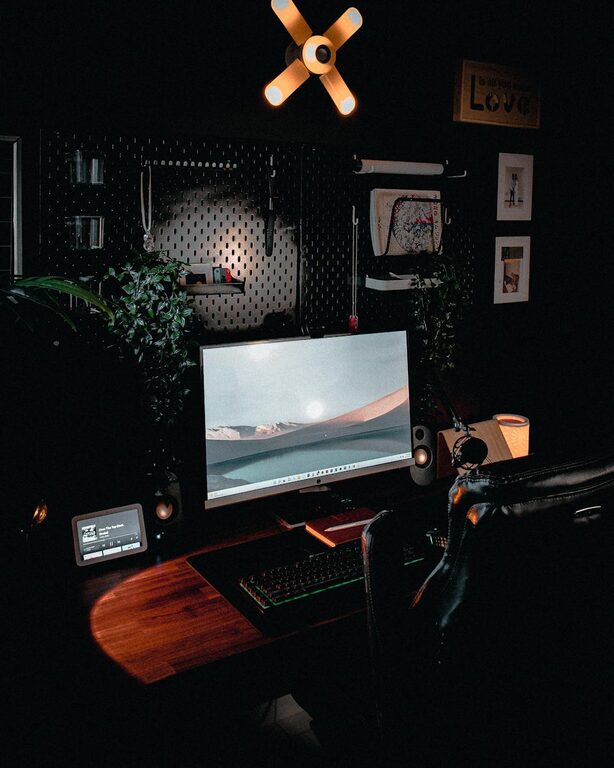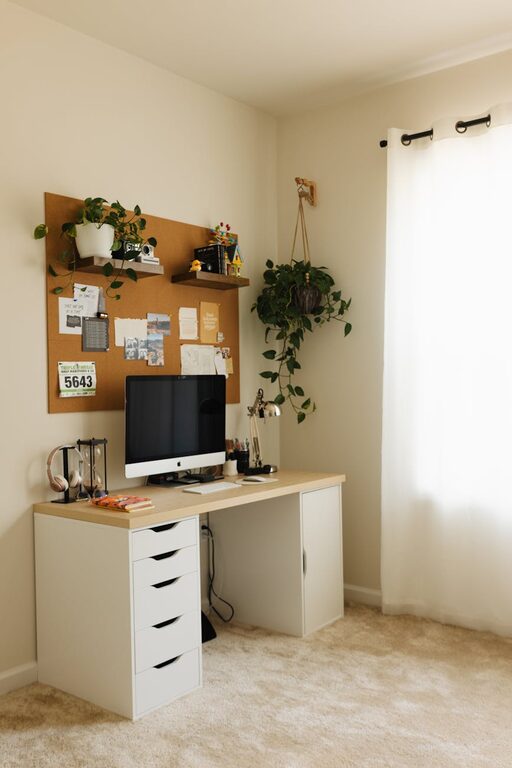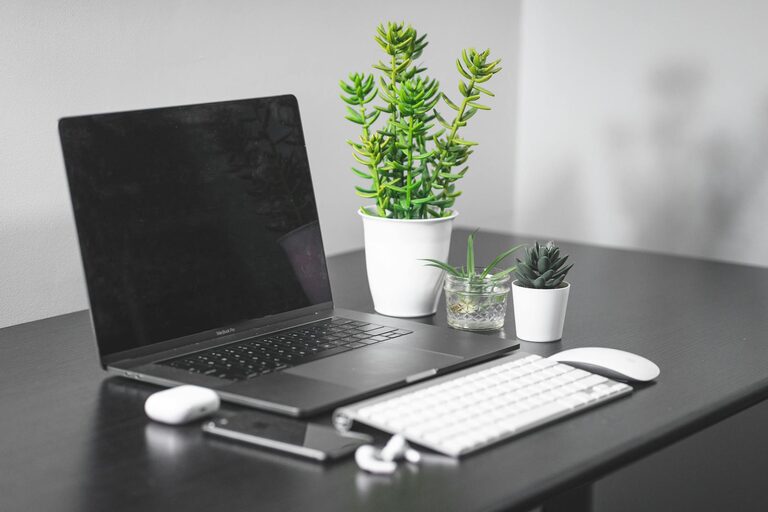
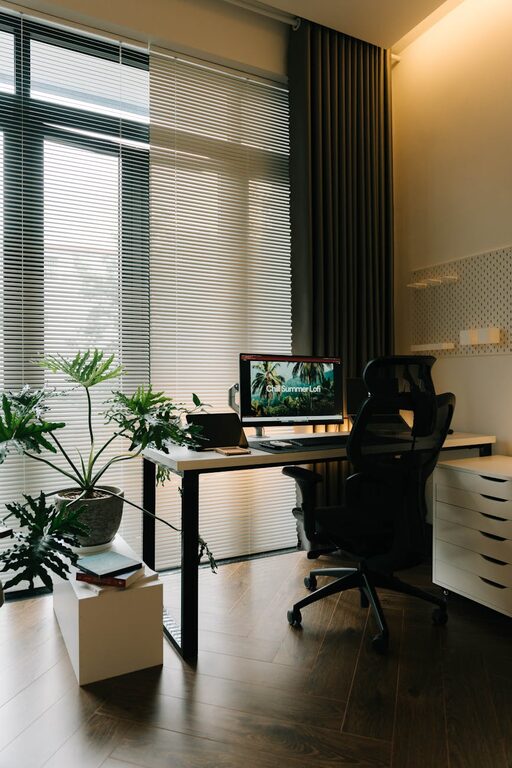
Creating a comfortable and relaxing home workspace is essential for maintaining productivity, especially as many people continue to work remotely. A thoughtfully designed environment can help reduce stress, boost focus, and make daily tasks more enjoyable. Whether you have a dedicated room or a small corner in your home, these tips will guide you in setting up a workspace that promotes relaxation and efficiency.
Choose the Right Location
Selecting the ideal spot for your workspace is the foundation of a productive environment.
– Natural Light: Position your desk near a window to benefit from natural daylight. Exposure to sunlight can improve mood and energy levels.
– Quiet Area: Find a place that minimizes distractions and noise, helping you stay focused throughout the day.
– Comfort: Ensure the space feels inviting and personal so you want to spend time there.
If space is limited, creating a defined work zone with a room divider or a specific rug can help mentally separate work life from home life.
Invest in Comfortable Furniture
Comfortable and ergonomic furniture is crucial for long hours of work.
– Ergonomic Chair: Choose a chair that supports good posture, with adjustable height and lumbar support.
– Desk: A desk with enough surface area keeps your essentials organized. Consider a standing desk or adjustable desk if you like to alternate between sitting and standing.
– Accessories: Use a keyboard tray, monitor stand, or footrest to reduce strain and maintain comfort.
Comfort prevents fatigue and encourages longer, focused working sessions.
Keep Your Space Organized
An uncluttered workspace helps clear your mind and improves efficiency.
– Storage Solutions: Use shelves, drawers, or storage bins to keep supplies neatly stored.
– Cable Management: Use clips, ties, or cable organizers to avoid tangles and mess.
– Daily Tidying: Spend a few minutes at the end of each day putting items back in place to start fresh the next morning.
An organized space means less time looking for things and more time being productive.
Use Soothing Colors and Decor
Color and decor have a subtle but powerful effect on your mood.
– Calming Colors: Shades of blue, green, or soft neutrals are known to create a relaxing atmosphere.
– Personal Touches: Add items like framed photos, plants, or artwork that make you feel happy and comfortable.
– Minimalism: Avoid overcrowding your desk or walls. Keeping decor simple helps maintain a peaceful vibe.
Carefully chosen surroundings can inspire creativity and calm your mind.
Control Lighting and Noise
Proper lighting and sound control contribute significantly to a relaxed work setting.
– Adjustable Lighting: Use desk lamps or overhead lighting that can be dimmed or brightened to suit the time of day.
– Reduce Glare: Position screens to prevent glare and use blinds or curtains if needed.
– Sound Control: Consider noise-canceling headphones or soft background music to block distracting sounds.
Creating a well-lit, quiet environment improves concentration and comfort.
Incorporate Natural Elements
Bringing nature indoors can improve wellbeing and reduce stress.
– Plants: Adding a few houseplants helps clean the air and adds a touch of greenery.
– Natural Materials: Wood desks or accessories made from natural fibers create a warm, inviting space.
– Fresh Air: Open windows occasionally to bring in fresh air and refresh the atmosphere.
Natural elements make your workspace feel more alive and pleasant to be in.
Establish Boundaries and Routine
Creating a productive workspace is also about how you use it daily.
– Set Work Hours: Define start and end times to keep work separate from personal time.
– Breaks: Take regular short breaks to stretch and relax your mind.
– Clear Boundaries: Communicate your workspace rules to family or housemates to minimize interruptions.
A routine helps build habits that support productivity and wellbeing.
Use Technology Wisely
The right technology setup can make working easier and less stressful.
– Efficient Devices: Ensure computers, printers, and other tools are reliable and up to date.
– Organizational Tools: Use digital planners, timers, or apps to keep track of tasks.
– Limit Distractions: Turn off unnecessary notifications and use focus modes when needed.
Tech should support your workflow, not interrupt it.
—
Designing a relaxing home workspace doesn’t require a large budget or lot of time—just mindful choices to create an inviting, organized, and comfortable environment. By focusing on comfort, lighting, natural elements, and organization, you can set up a space that helps you feel calm and productive throughout the day. Embrace these tips to transform your home office into a peaceful haven where work feels manageable and even enjoyable.
About the Author