Creating a home office space that feels both cozy and productive can make a significant difference in your daily work routine. A well-designed workspace helps improve focus, reduce stress, and promote a healthy work-life balance. Whether you have a dedicated room or a small corner, this guide will provide practical tips to help you transform your area into an effective home office that feels inviting and supports your best work.
Choose the Right Location
Find a Quiet Spot
Select a place in your home that is quiet and free from distractions. If possible, avoid high-traffic areas like the kitchen or living room to minimize noise and interruptions.
Consider Natural Light
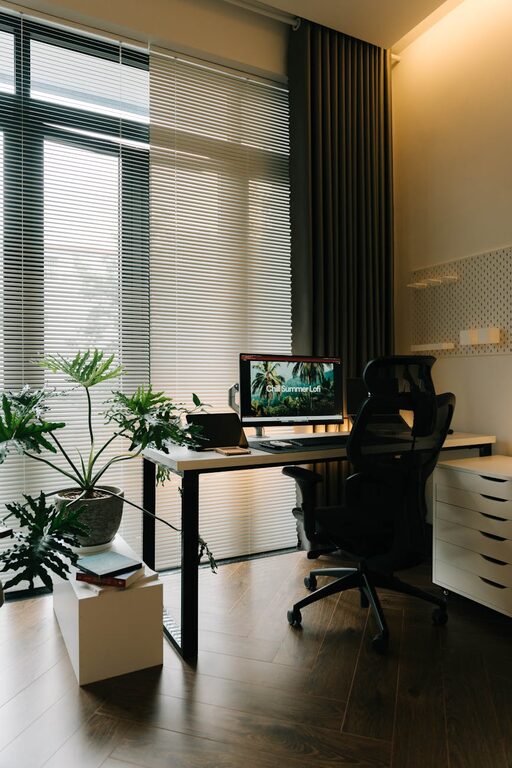
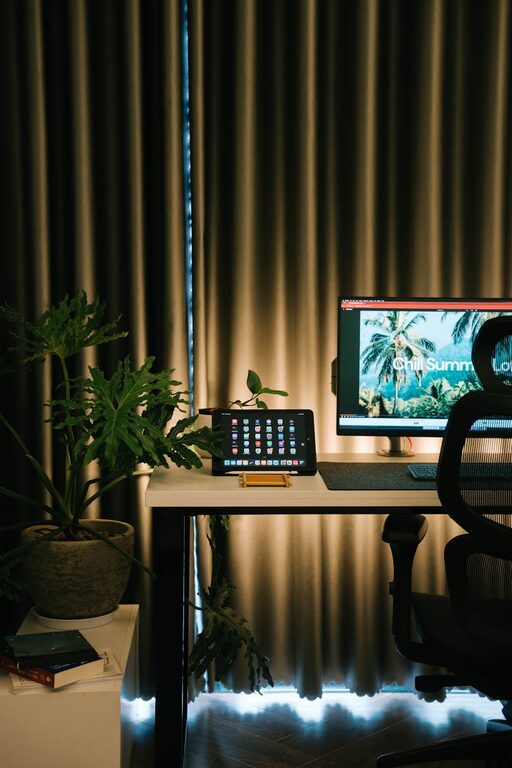
Position your desk near a window to take advantage of natural light. Sunlight can boost mood and energy levels. Be mindful of glare on your screen; if necessary, use curtains or blinds to adjust the lighting throughout the day.
Invest in Comfortable and Functional Furniture
Ergonomic Chair
An ergonomic chair supports your posture, reduces back pain, and allows you to work comfortably for longer periods. Look for adjustable height, lumbar support, and cushioned seating.
Desk Size and Style
Choose a desk that fits your space and provides enough surface area for your work tools. A minimalist style helps keep clutter down, but ensure there’s room for your computer, notebooks, and any other essentials.
Organize Your Workspace
Declutter Regularly
Keep your desk free of unnecessary items. A tidy space can help clear your mind and improve concentration.
Use Storage Solutions
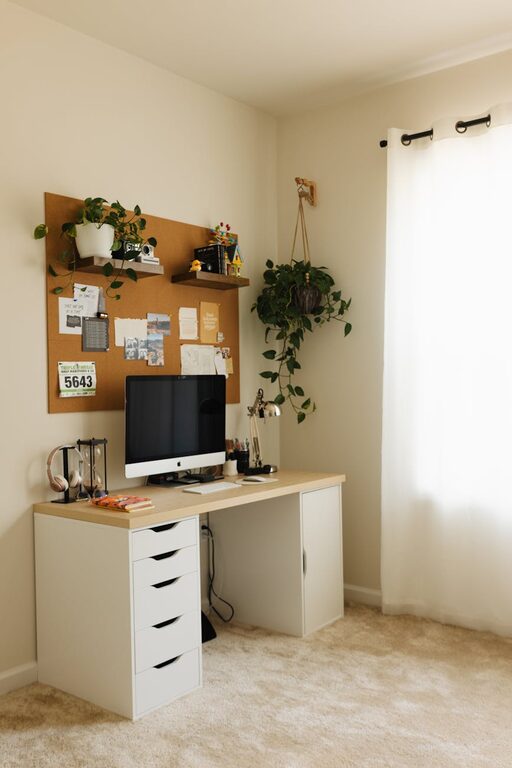
Incorporate shelves, drawers, or filing cabinets to store papers, office supplies, and cables. Labeling helps you find things quickly and maintain order.
Cable Management
Organize cables with clips or cable sleeves to avoid tangles and maintain a neat appearance.
Personalize Your Space
Add Comfort Elements
Include a soft throw blanket, cushion, or rug to create warmth and coziness in your office.
Incorporate Plants
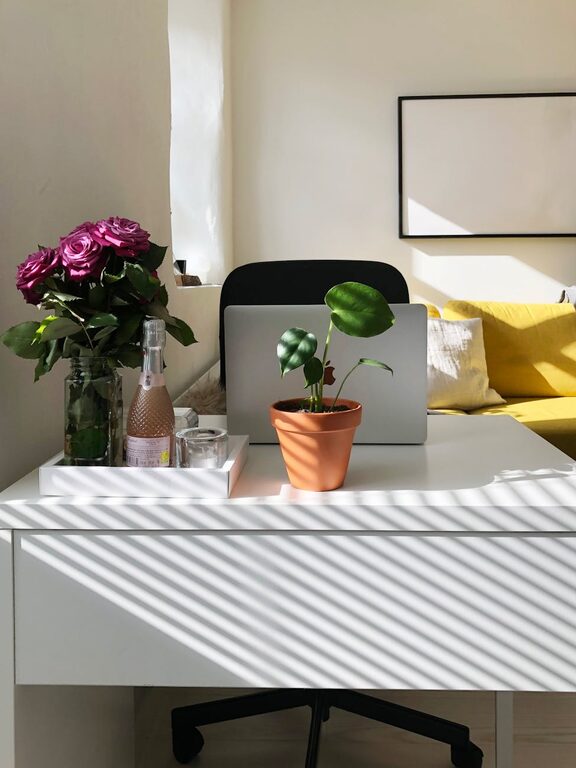
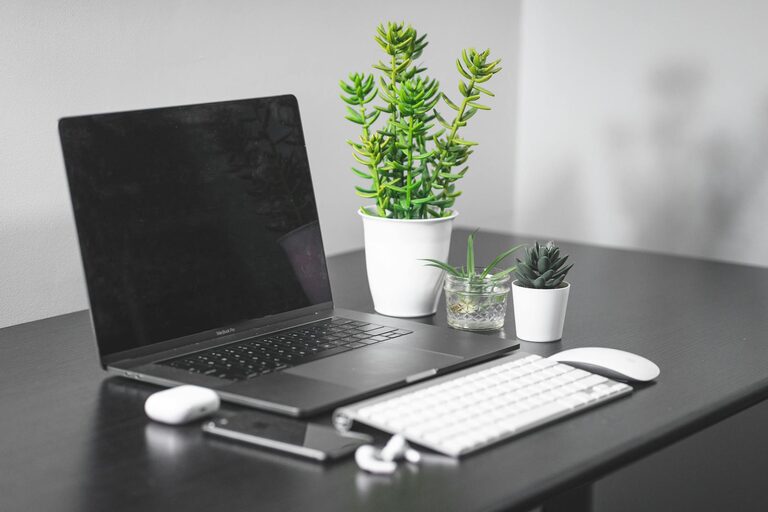
Small indoor plants add color, purify the air, and promote a calm environment.
Display Inspiring Items
Include artwork, photos, or motivational quotes to make your workspace your own without causing distraction.
Optimize Lighting
Use Layered Lighting
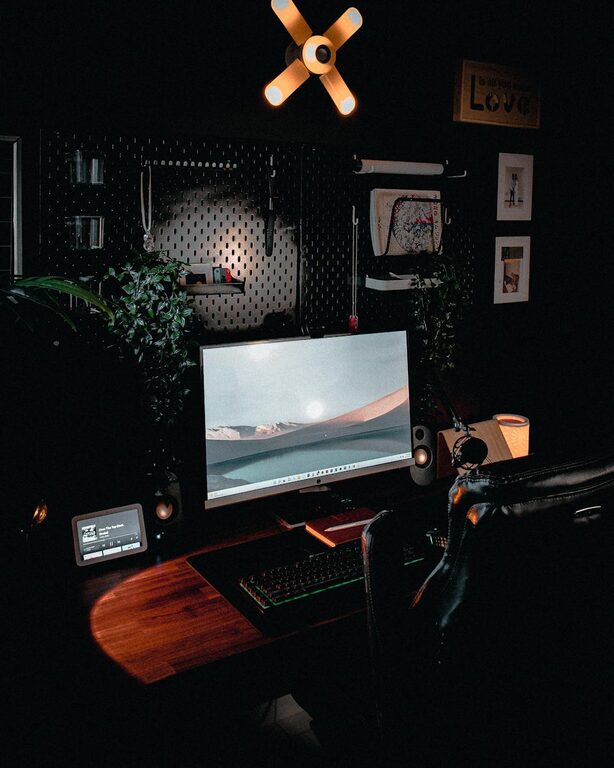
Combine ambient lighting with task lighting such as a desk lamp. Adjustable lamps allow you to direct light where it’s needed most.
Avoid Harsh Lights
Choose warm, soft light bulbs to reduce eye strain and create a relaxed atmosphere.
Manage Noise Levels
Use Noise-Cancelling Headphones
If you live in a noisy environment, headphones can help block background sounds.
Play Background Music or White Noise
Some people find soft music or white noise helps maintain focus. Choose sounds that energize without distracting.
Establish a Routine
Set Work Hours
Define your working hours to separate work time from personal time. This helps build structure and reduces overworking.
Take Breaks
Incorporate short breaks to stretch, rest your eyes, and recharge. This increases productivity and prevents burnout.
Technology and Connectivity
Reliable Internet Connection
Ensure your workspace is close to your router or use a wired connection for stable internet.
Ergonomic Accessories
Use accessories like a separate keyboard, mouse, or monitor stand to reduce strain and improve comfort.
Keep It Flexible
Multi-Purpose Furniture
If space is limited, consider foldable desks or chairs that allow you to change your office setup easily.
Adapt to Your Needs
Be open to rearranging or upgrading your workspace as your work style and requirements evolve.
—
By following these tips, you can create a home office space that not only feels comfortable and inviting but also helps you stay focused and productive throughout your workday. Remember, the best workspace is one that suits your individual needs and encourages you to do your best work.
About the Author