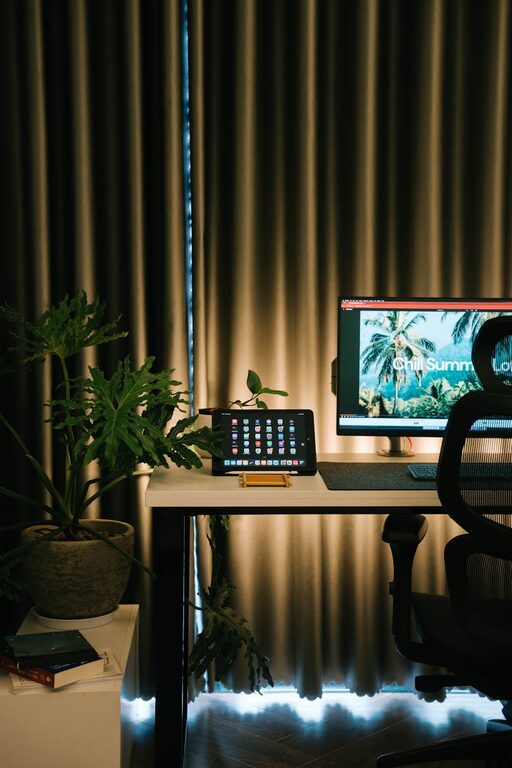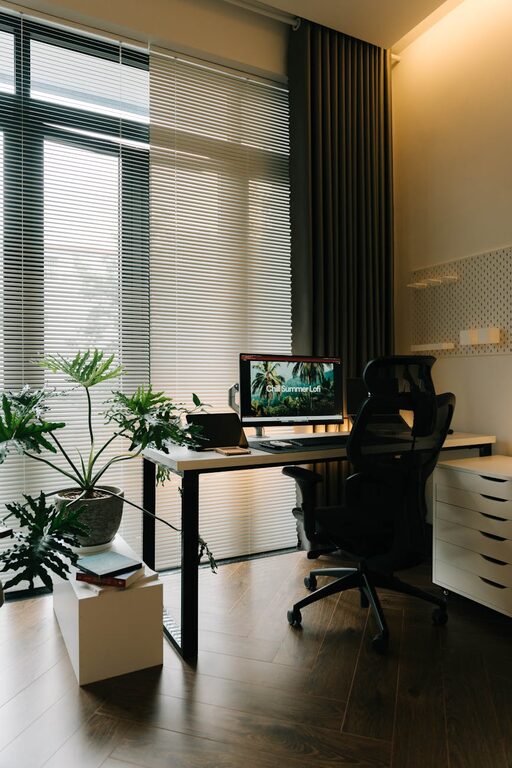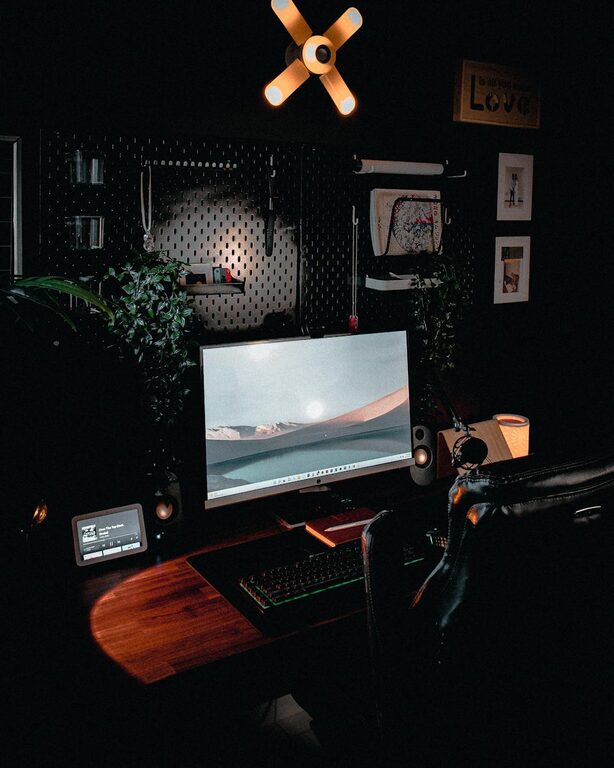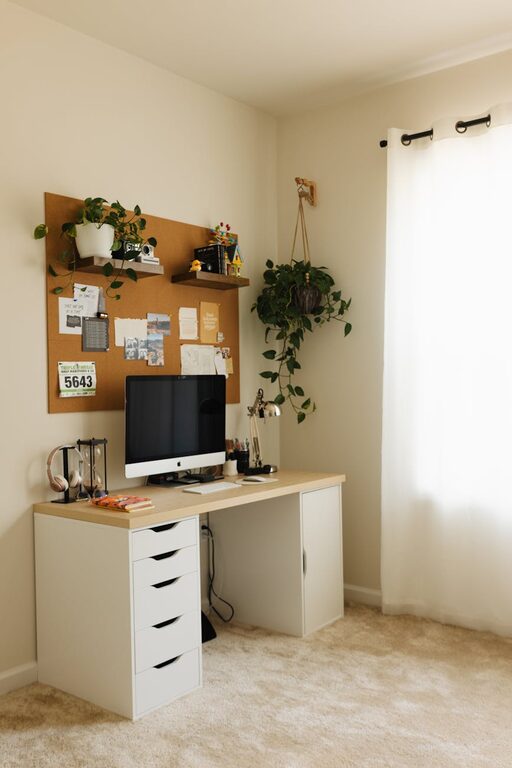
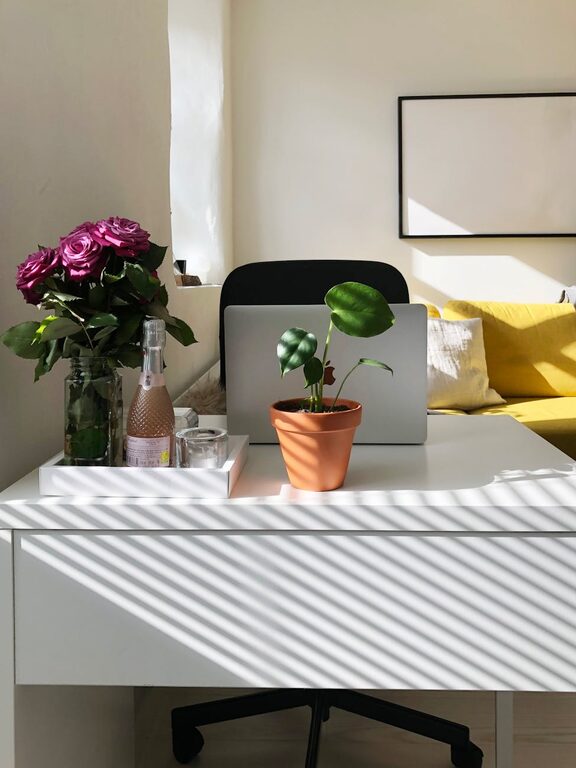
Creating a productive and relaxing workspace at home is essential for anyone who spends a significant amount of time working remotely. A well-designed home office not only improves focus but also supports mental well-being by reducing stress and promoting comfort. Whether you have a dedicated room or just a small corner, these tips will help you build a workspace that inspires productivity and relaxation.
1. Choose the Right Location
The first step in setting up a relaxing home workspace is selecting the ideal spot. Consider areas that:
– Receive natural light: Exposure to daylight can boost your mood and energy.
– Are quiet: Find a space away from household noises and distractions.
– Have enough room: Ensure there is enough physical space for your desk, chair, and other essentials.
– Feel inviting: Pick a place where you feel comfortable and motivated to work.
If space is limited, try using noise-cancelling headphones or screens to separate your workspace from other areas.
2. Invest in Comfortable and Supportive Furniture
Comfort directly affects your ability to focus and sustain productivity during long hours. Key elements include:
– Ergonomic chair: Choose one that supports your back and allows you to sit comfortably for extended periods.
– Adjustable desk: Standing desks or adjustable-height desks can help reduce fatigue and improve posture.
– Desk size: Make sure your desk can comfortably hold your computer, paperwork, and any other tools needed.
When setting up furniture, keep ergonomic principles in mind—your feet should rest flat on the floor, elbows close to your body, and your screen at eye level.
3. Optimize Lighting
Good lighting minimizes eye strain and creates an inviting workspace. Tips include:
– Maximize natural light: Position your desk near a window if possible.
– Use task lighting: A desk lamp with adjustable brightness helps focus light on specific areas.
– Avoid glare: Position screens and lights to prevent reflections and glare on monitors.
Warm white light bulbs can create a cozy, relaxing atmosphere, while cool white bulbs may promote alertness. Choose what works best for your personal preference.
4. Keep Your Workspace Organized and Clutter-Free
A tidy environment helps clear your mind and improve focus. Consider these strategies:
– Use storage solutions: Shelves, drawers, and organizers keep items neatly stored.
– Limit decorations: Choose calming, minimal decorations to avoid visual distractions.
– Establish a daily routine: Spend a few minutes each day tidying up your space.
Labeling files and drawers can assist in keeping everything orderly and easy to find.
5. Bring in Elements of Nature
Incorporating natural elements boosts mood and relaxation. Some ideas are:
– Add plants: Small indoor plants improve air quality and create a calming environment.
– Use natural materials: Wood desks, bamboo accessories, or linen fabrics add warmth.
– Incorporate nature sounds: Soft background sounds like birds or water can enhance concentration, if helpful to you.
Even a small vase with fresh flowers can brighten your workspace and contribute to a relaxing atmosphere.
6. Personalize Your Space Thoughtfully
Personal touches can make your workspace enjoyable without creating clutter. Consider:
– Inspirational art: Choose artwork or photos that motivate you or make you smile.
– Comfort items: Incorporate cushions, blankets, or footrests for additional comfort.
– Aromatherapy: Subtle scents like lavender or citrus can enhance focus and calmness; use essential oil diffusers if allowed.
Remember to keep personalization balanced so it energizes your space rather than distracts.
7. Manage Technology Wisely
Technology is central to most home workspaces but can also cause distractions if not managed well. Tips include:
– Keep cables organized: Use clips or sleeves to prevent tangled wires.
– Limit notifications: Adjust app settings to minimize interruptions during work sessions.
– Use quality equipment: Invest in a reliable computer, keyboard, and mouse that suit your needs.
– Backup regularly: Keep files safe by backing them up routinely.
Having a clutter-free desk surface with only the devices you need also helps create a more peaceful environment.
8. Incorporate Break Zones or Relaxation Spots
If space permits, set aside an area within or near your workspace for quick relaxation. Ideas:
– Comfortable chair or cushion: A spot where you can take short breaks away from your desk.
– Reading nook or meditation corner: A place to unwind and refresh your mind.
– Hydration and snacks station: Keeping water and healthy snacks nearby helps sustain energy.
Taking regular breaks helps reduce stress and improves overall productivity.
9. Set Boundaries and Schedule
Establishing routines contributes to a calm and efficient workday:
– Set clear working hours: Define when your workday starts and ends to create structure.
– Communicate boundaries: Let family or roommates know your schedule to minimize interruptions.
– Use time management tools: Apps or timers can help stay on track and remind you to take breaks.
Having a consistent schedule trains your mind to associate your workspace with focused work time.
—
Creating a relaxing home workspace is a balance between functionality and comfort. By thoughtfully selecting your location, furniture, lighting, and decorations, you can build an environment that supports both your productivity and well-being. Small changes can have a big impact, so start with one or two tips and gradually tailor your space to fit your unique needs. With a calm and organized workspace, you’ll find it easier to focus, stay motivated, and enjoy your work-from-home routine.
About the Author