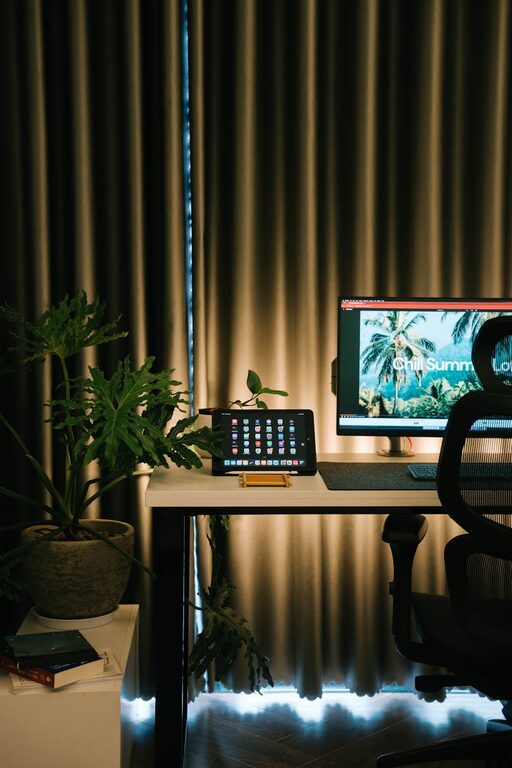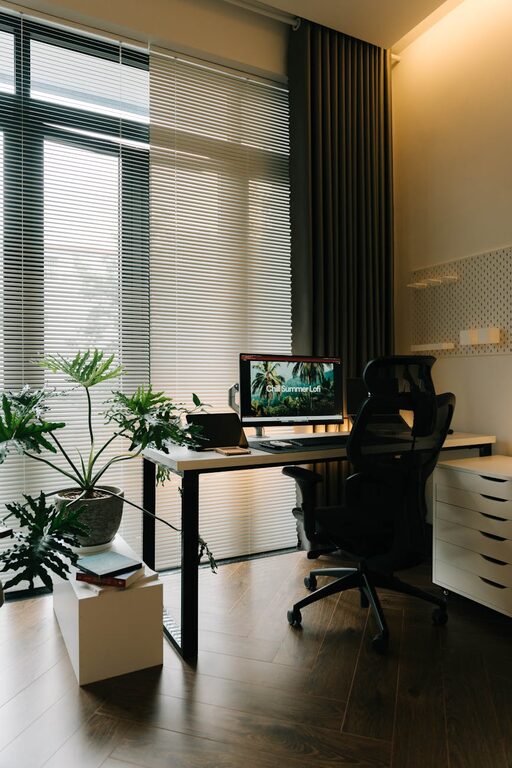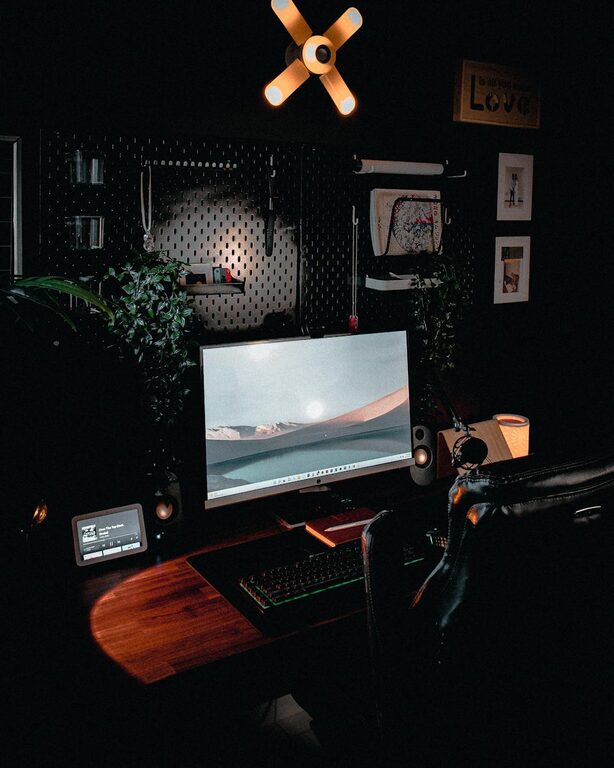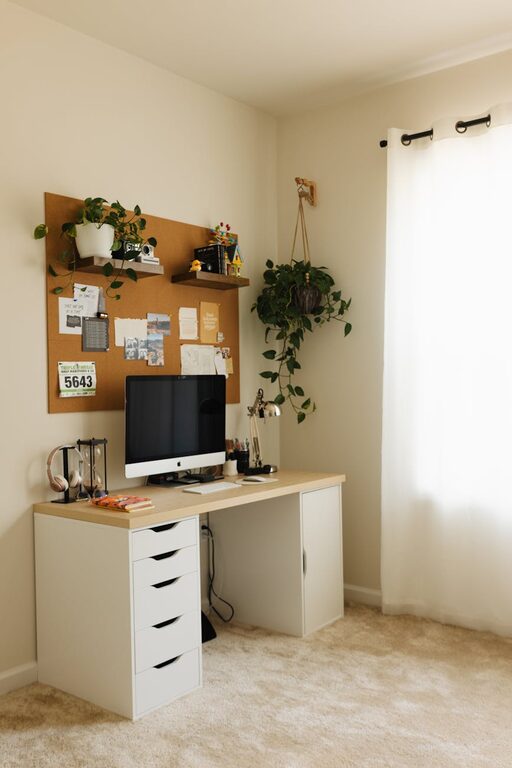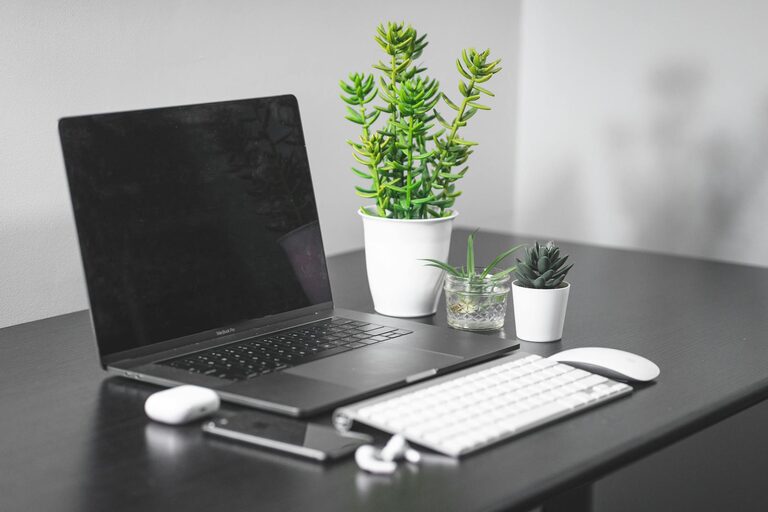
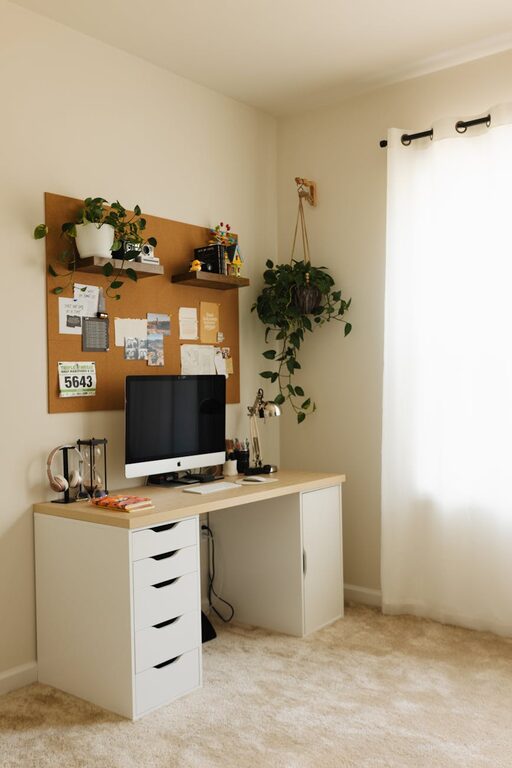
Creating a cozy and productive home workspace can transform the way you work, helping you stay focused while feeling comfortable throughout the day. Whether you’re new to remote work or looking to improve your current setup, a well-designed workspace is key to balancing comfort and efficiency. Here are some practical tips to help you create the perfect home office environment.
Choose the Right Location
The first step in designing your workspace is finding the ideal spot in your home. Look for an area with minimal distractions, good natural light, and enough space for your essentials.
– Natural Light: Position your desk near a window if you can. Natural light boosts mood and can reduce eye strain.
– Quiet Zone: Choose a room or corner away from high-traffic areas to minimize noise interruptions.
– Space Considerations: Ensure your workspace has enough room for your computer, paperwork, and any other tools you need while leaving enough personal space to move comfortably.
Invest in Comfortable and Functional Furniture
Comfort is essential for maintaining productivity, especially if you spend many hours working at your desk.
– Ergonomic Chair: Select a chair that supports your lower back and encourages good posture.
– Desk Height: Your desk should allow your elbows to rest at about a 90-degree angle when typing.
– Adjustable Furniture: Consider adjustable desks or chairs to easily customize your setup for comfort.
Organize and Declutter
A cluttered workspace can distract you and reduce productivity. Keeping your area tidy promotes focus.
– Storage Solutions: Use shelves, drawers, or baskets to keep supplies out of sight but easily accessible.
– Cable Management: Keep cords and cables organized to avoid tangles and mess.
– Daily Clean-up: Spend a few minutes at the end of each workday to tidy your desk, making it inviting for the next day.
Personalize Your Space
Adding personal touches can make your workspace more inviting and motivating.
– Decor: Use artwork, photos, or plants to brighten the room and make it feel personal.
– Colors: Choose colors that inspire calm and focus, such as soft blues, greens, or neutral tones.
– Lighting: Besides natural light, use warm desk lamps or adjustable lighting to set a comfortable mood during evening work sessions.
Minimize Distractions
Creating boundaries while working at home helps improve focus and productivity.
– Designated Workspace: Use your workspace only for work-related tasks to create a mental separation between work and home life.
– Noise Control: Use noise-cancelling headphones or white noise machines if background sounds are a problem.
– Set Boundaries: Communicate your working hours to family or housemates to reduce interruptions.
Incorporate Technology Wisely
Technology can aid productivity but can also be a source of distraction if not managed carefully.
– Reliable Equipment: Invest in a fast computer, good-quality monitor, and necessary peripherals to avoid technical frustrations.
– Productivity Apps: Use tools like task managers, calendars, and reminders to stay organized.
– Limit Social Media: Use website blockers or focus apps during work hours to stay on track.
Take Regular Breaks and Move
Staying at your desk too long can cause fatigue and reduce productivity.
– Scheduled Breaks: Use techniques like the Pomodoro method—work for 25 minutes, then take a 5-minute break.
– Stretch and Move: Stand, stretch, or take a short walk during breaks to refresh your body and mind.
– Eye Care: Follow the 20-20-20 rule—every 20 minutes, look at something 20 feet away for 20 seconds to reduce eye strain.
Maintain a Consistent Routine
A regular work schedule helps your brain associate the workspace with productivity.
– Set Working Hours: Stick to a consistent start and end time.
– Morning Rituals: Begin your day with a routine that signals the start of work, such as making coffee or reviewing your to-do list.
– End-of-Day Routine: Close your laptop and tidy your desk to mark the end of worktime and transition into relaxation.
—
With these tips, you can create a home workspace that feels inviting and helps you stay productive. By balancing comfort, organization, and focus, your workspace will support both your work goals and well-being. Start small and adjust your environment as you discover what works best for you. Happy working!
About the Author