Creating a relaxing home office environment is essential for maintaining focus, creativity, and well-being, especially if you spend long hours working from home. A calm and inviting workspace can reduce stress, increase productivity, and make your workday much more enjoyable. This guide offers practical tips on designing a home office that promotes relaxation and efficiency.
Why a Relaxing Home Office Matters
Working from a home office has become increasingly common, but it can be challenging to separate work life from personal life. When your office is cluttered or uncomfortable, it can lead to distractions and fatigue. By fostering a peaceful and organized environment, you set yourself up to feel more motivated, focused, and refreshed throughout the day.
Tips to Create a Relaxing Home Office
1. Choose the Right Location
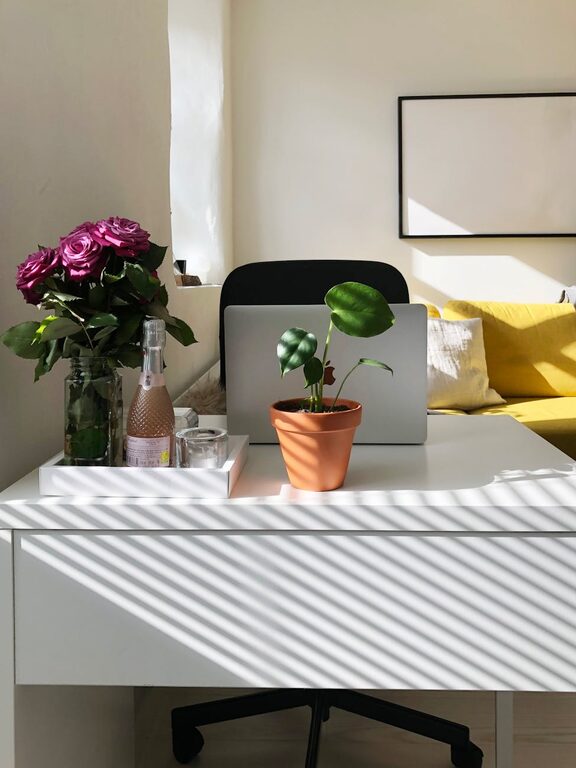
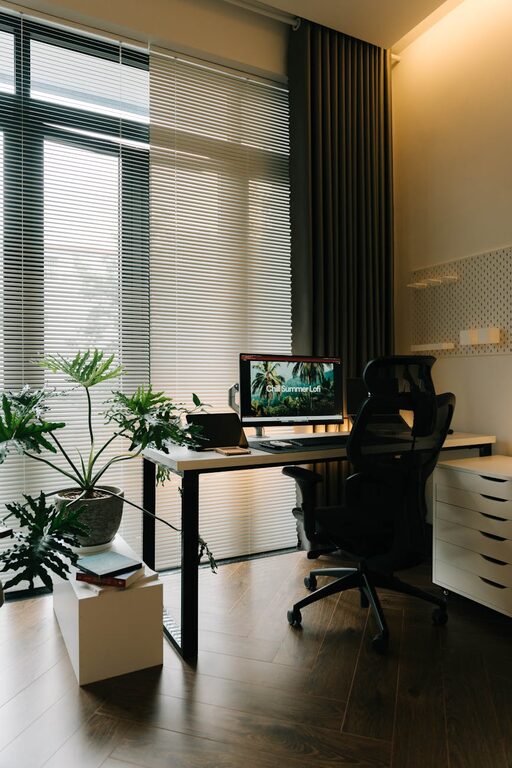
Pick a quiet, well-lit area in your home for your office. Avoid high-traffic zones where noise and interruptions are common. Ideally, find a space with natural light, which helps improve mood and reduces eye strain.
2. Invest in Comfortable Furniture
Your chair and desk should support good posture. Choose an ergonomic chair that offers back support and can adjust to your height. A desk at the right height prevents strain on your wrists and shoulders. Comfort promotes better focus and prevents physical discomfort.
3. Declutter and Organize Your Space
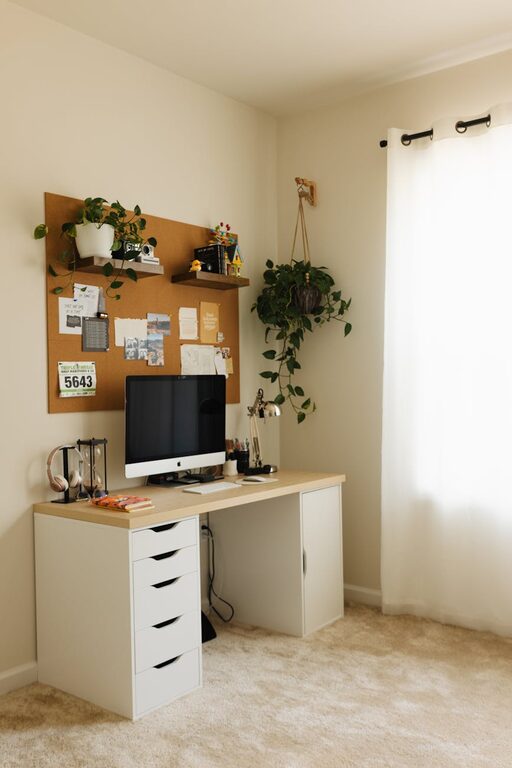
A cluttered desk can cause stress and reduce efficiency. Keep only essential items on your desk and use storage solutions like shelves, drawers, or baskets to organize paperwork and supplies. Regularly tidy your workspace to maintain a calm atmosphere.
4. Use Soothing Colors and Decor
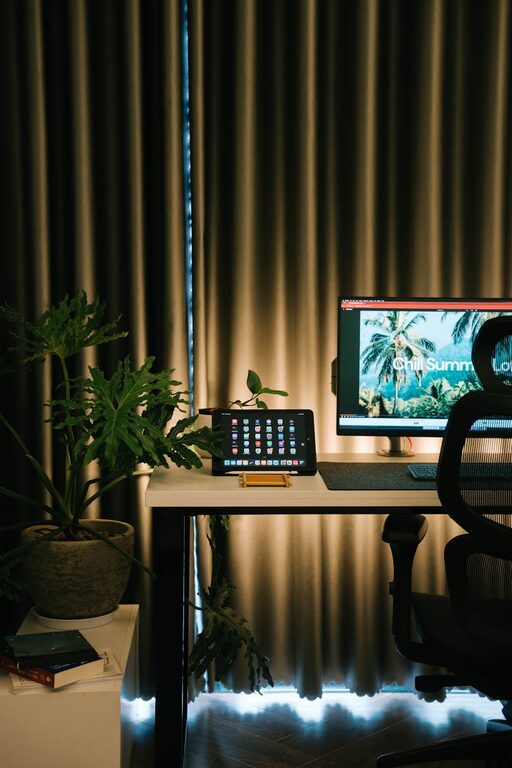
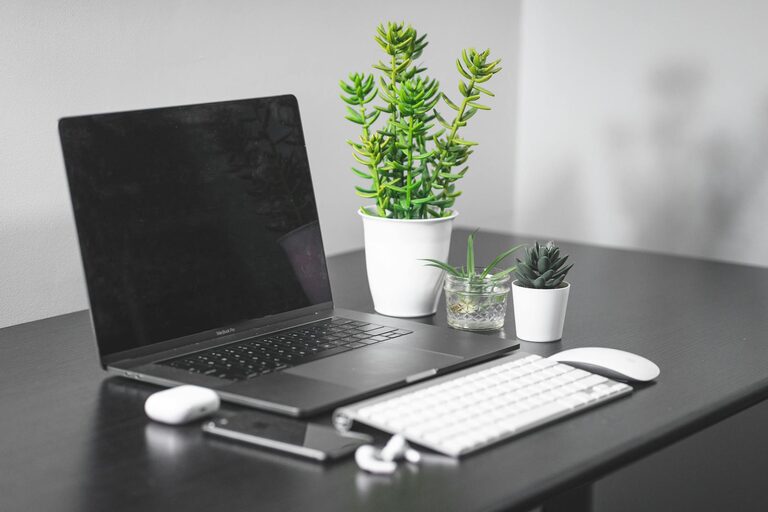
Colors influence your mood. Soft, neutral tones like blues, greens, or warm beiges create a calm environment. Decorate with plants, artwork, or inspirational quotes that make you feel relaxed and motivated without overcrowding the space.
5. Control Lighting for Comfort
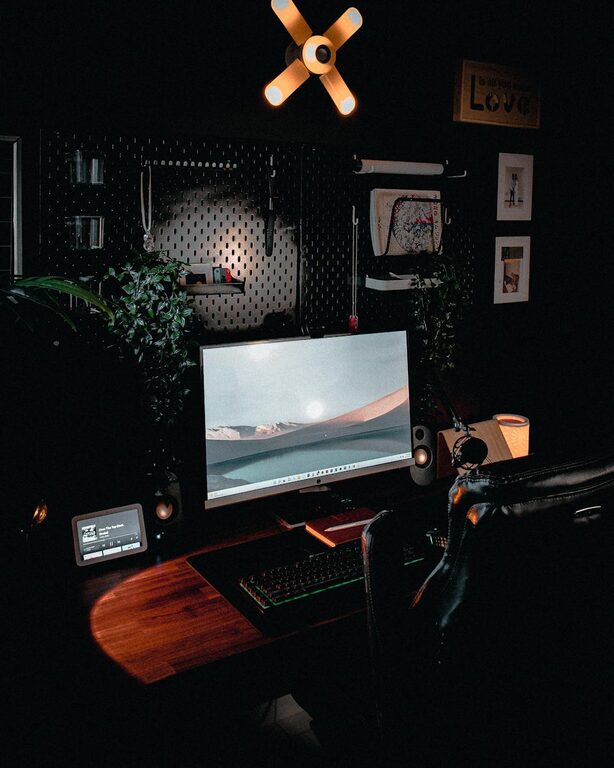
Besides natural light, include adjustable lighting options like desk lamps with warm bulbs. Avoid harsh overhead lights that can cause eye fatigue. Position your computer screen to reduce glare.
6. Incorporate Elements of Nature
Adding plants or flowers can improve air quality and create a soothing environment. Natural elements like wooden furniture or stones also bring a sense of calm. Choose low-maintenance plants if you prefer minimal upkeep.
7. Manage Noise Efficiently
If you live in a noisy area, consider noise-canceling headphones or white noise machines to block out distractions. Playing soft instrumental music in the background can also help increase concentration.
8. Personalize Thoughtfully
Adding personal touches makes your office inviting but avoid clutter. Photos, souvenirs, or a favorite mug can boost your mood. Choose items that inspire rather than distract.
9. Keep Technology Organized
Use cable organizers or wireless options to minimize tangled cords. A clean tech setup makes your workspace look neat and helps avoid frustration with messy wires.
10. Schedule Regular Breaks
No matter how relaxing your environment is, taking breaks throughout the day prevents burnout. Step away from your desk, stretch, or take short walks to refresh your mind and body.
Setting a Routine and Boundaries
Relaxation in your home office extends beyond design. Set clear work hours and communicate boundaries with others in your household. A routine helps your brain switch into work mode and then unwind afterward, promoting balance.
Final Thoughts
Creating a relaxing home office is about blending comfort, organization, and personal style to support both productivity and peace of mind. Small changes like adjusting your lighting, organizing your desk, or adding greenery can make a significant difference. Take time to design your space thoughtfully, and you’ll enjoy a more pleasant and efficient work-from-home experience.
By following these tips, you can transform your home office into a stress-free zone where you can focus, create, and feel refreshed every day.
About the Author